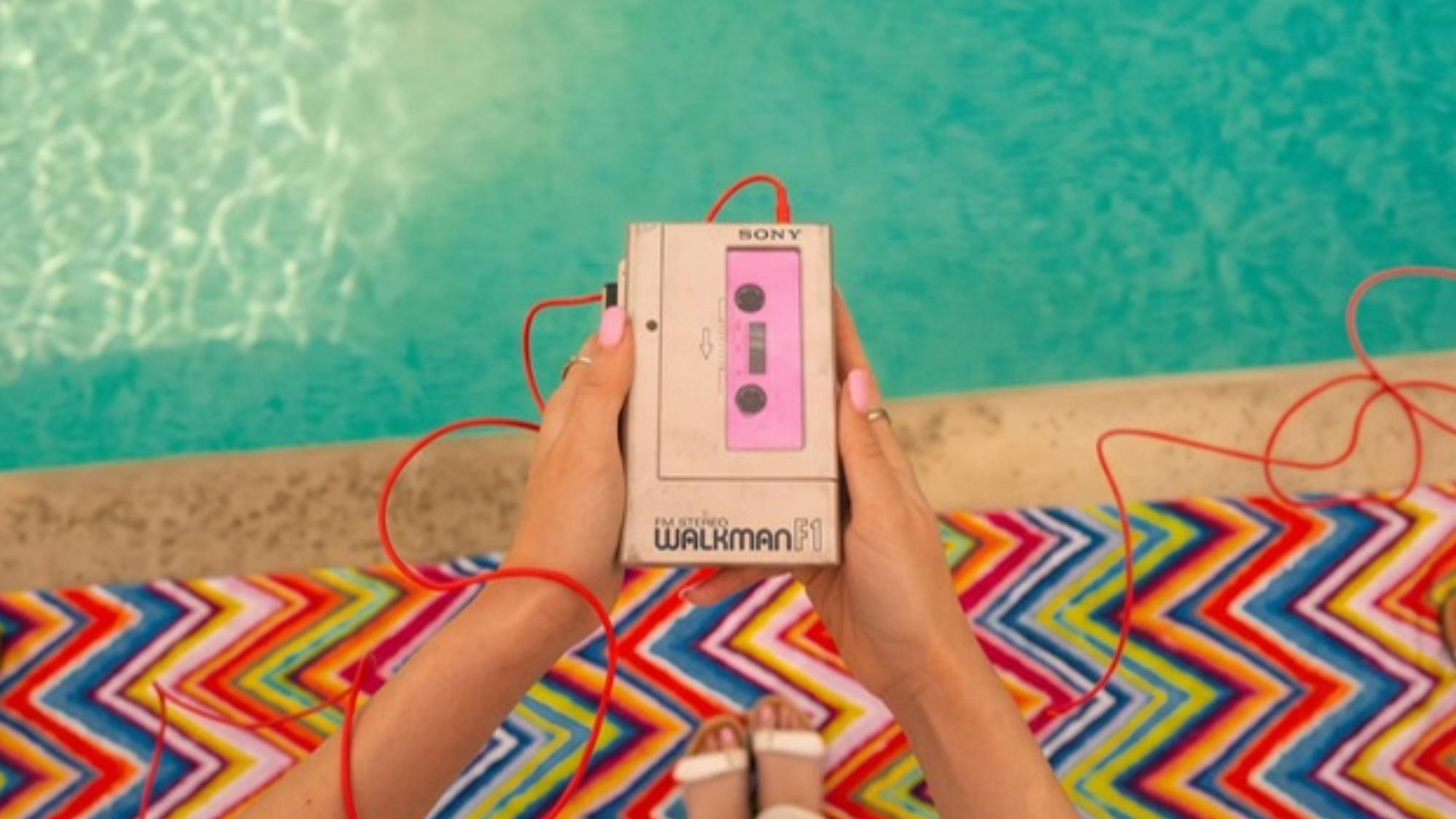
CD sales in the US rose 16% in the first half of the year, to 16.3 million units, while vinyl added 2.4%. According to Luminate’s midyear report, the CD is growing faster than vinyl for the first time in a decade. The driver is K-pop and fans who buy the format as a collectible. Half of millennial and Gen Z buyers who purchased CDs this year do not even own a CD player.
K-pop drives more than half of the growth
The seven best-selling CDs in the US belong to Korean groups, led by BTS. According to Billboard, their album Arirang sold 567,000 copies over 26 weeks, roughly 3.5% of all CDs sold in the half-year. Without K-pop, the market would have grown by 6.7%. Retailers Target and Walmart, which account for almost 30% of sales, also help the physical format. Luminate sums up the shift in a single line. “The CD has been recontextualized from a functional audio format into an affordable collectible,” the report says.
Fans pay for the artefact
The K-pop model is built on superfans. Albums come in several versions with photocards and posters, fans buy multiple copies of the same title, and the music is free to stream the whole time. A paid physical item carries a relationship with the brand, collectible value and a margin that the artist does not share with an algorithm or a platform.
Exactly this mechanism is now what the whole creator economy is looking for. Creators are building income that survives an algorithm change, from owned distribution to their own products, and reach alone does not build a brand. Music data shows that a physical artefact does this work even for a format that was written off a decade ago. A fan who feels loyalty to a creator will buy an item that the creator signs, numbers or varies, and attention turns into revenue without an intermediary.




Comments