AI
creatorshubHow AI is changing content creation, monetisation and creators' work. What the EU AI Act means for the creator economy, which tools work and where the limits are.

Meta believes an AI agent with a face could feel closer
Meta believes an AI agent with a face could feel closer to people. Since 5 November it has been offering video calls with its Muse agent to all users in the US, and an animated avatar gives the agent a face during them.

From 30 October, Meta may crawl business accounts' websites
After criticism, Meta struck the word train from its commercial terms. Its permission to crawl and download the websites of Facebook business users from 30 October 2026 remains. The Meta-ExternalAgent crawler, which also crawls sites to train foundation AI models, is stopped by a line in robots.txt.

Tools label AI content. Creators must disclose deepfakes
The Commission’s AI Act guidelines count a realistic AI influencer trying out a sponsored product as a deepfake. From 2 August 2026, a creator who earns from content must disclose it themselves. Older tools must embed the marking from 2 December.

Instagram launches an AI assistant for creators in the Edits app
Instagram has added a conversational AI assistant to Edits. The tool reads a creator's account metrics, comments and trends and identifies patterns in performance. Unlimited access comes through Meta One from USD 7.99 a month. YouTube is preparing an editing tool for 2027.

AI chatbots send the most people to YouTube
When someone asks AI a question today, the answer often sends them on, most often to YouTube, with more than a threefold lead over other sites. As search moves into chatbots, the goal is no longer the blue link but the video.

Meta launched Muse, and marketers are turning it into a Reels research tool
On 8 September Meta launched its AI agent Muse, and within days it was the most downloaded app in the US. Marketers have put it to work on the dullest part of the job, researching other people’s Reels.

OpenAI hires Patreon co-founder to lead a creator division
Patreon co-founder Sam Yam is leaving for OpenAI to lead a new division, Creator Product. He is taking head of product Drew Rowny and head of engineering Shannon Ma with him. Patreon laid off 93 people, a fifth of the company, in July 2026. The specific tools are due at DevDay on 29 September.

Made on YouTube unveils AI editor for creators and expands shopping to 35 countries
At Made on YouTube, the platform showed an AI editor in Studio, Ask Studio on iOS and Android, and help with brand briefs. Creators have run more than 40 million A/B tests, and the shopping affiliate programme expands to 35 countries by year end.
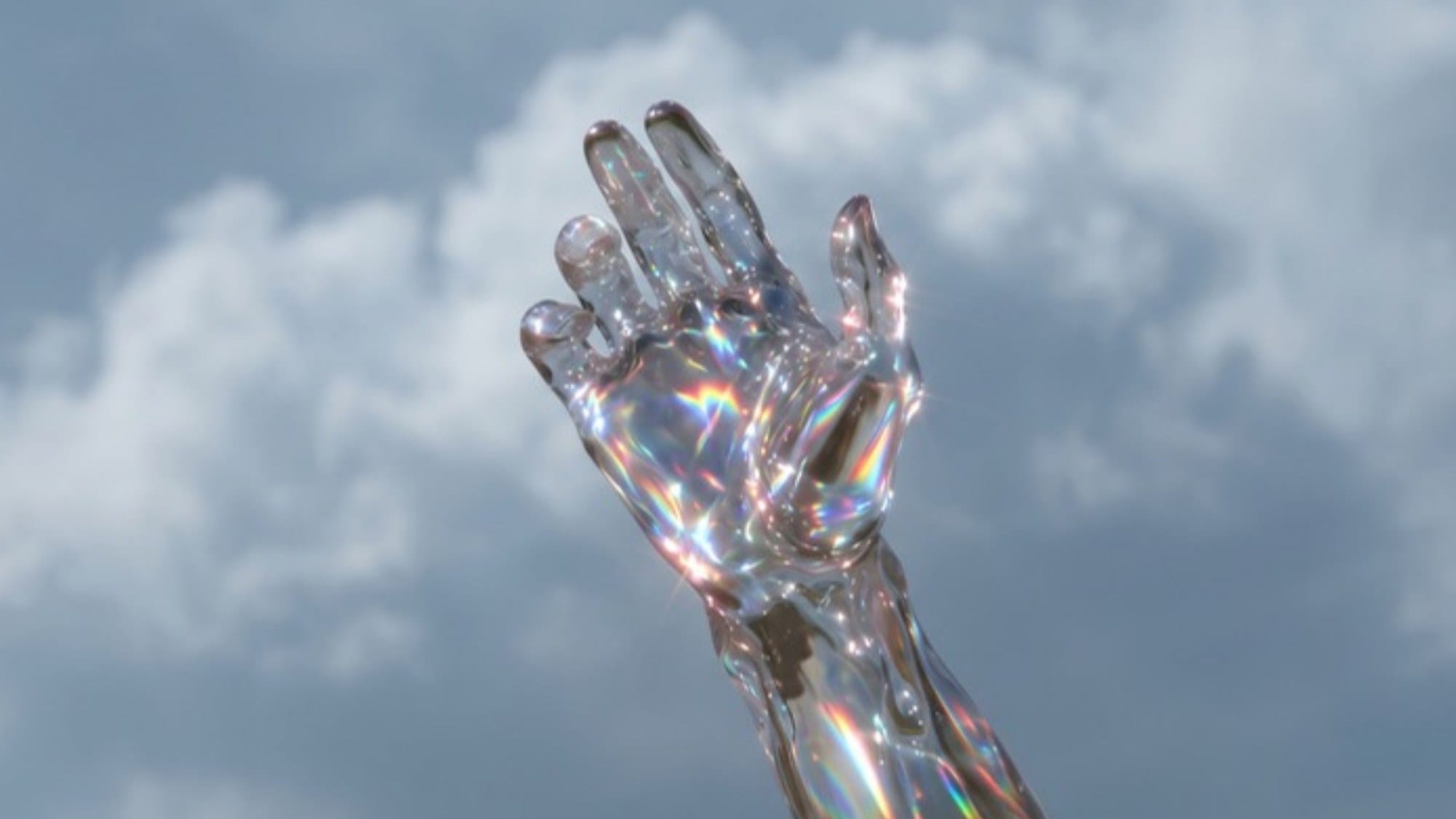
AI makes 93% of Pocket FM’s catalogue as revenue run rate hits $500 million
Pocket FM doubled its annual revenue run rate to $500 million and is reportedly raising $100 million to $120 million at a valuation of $1.5 billion to $2 billion. The company says AI now makes 93% of its catalogue at about 80 times lower cost.
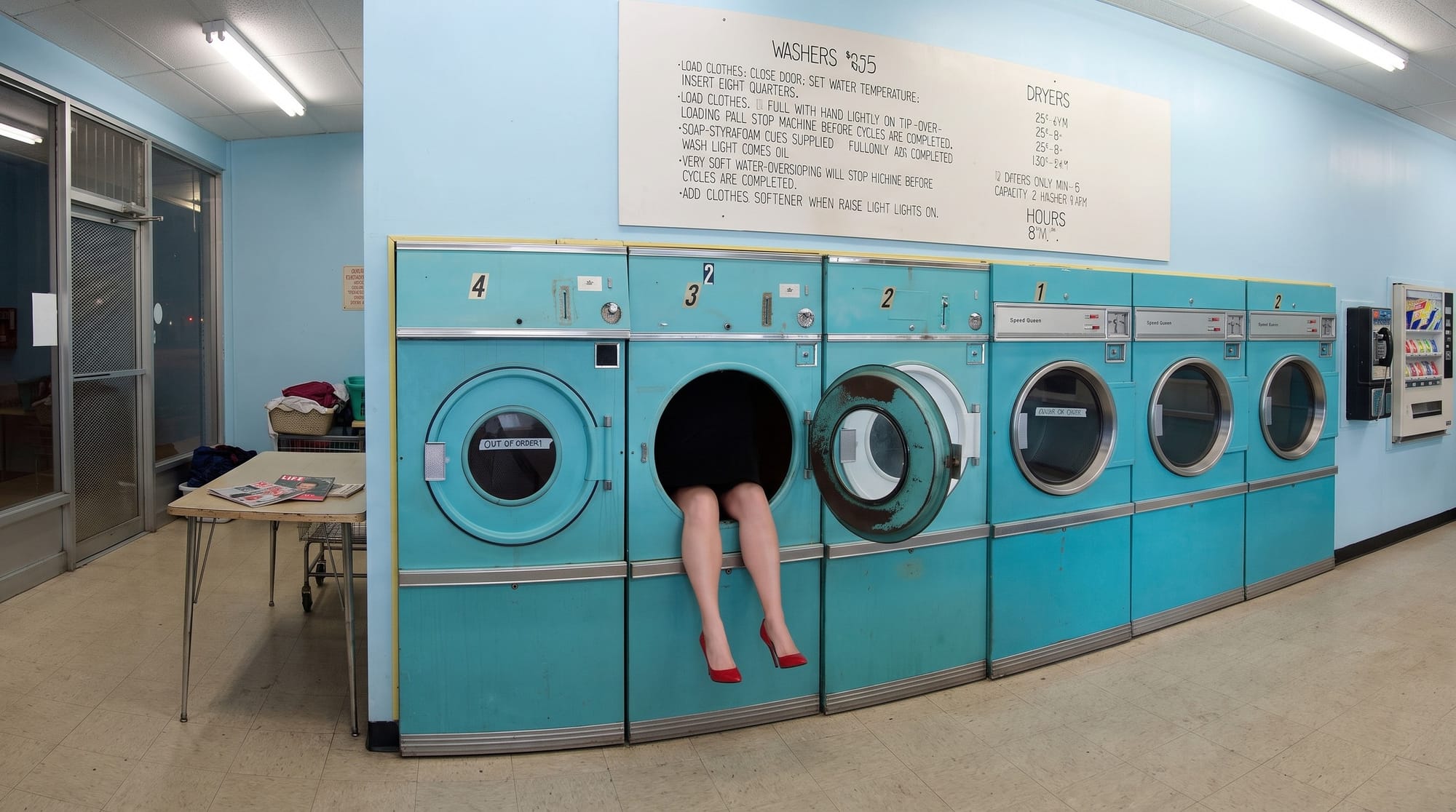
Suno moves to licensed music as lawsuits keep piling up
Suno built its new v6 models on licensed music from major labels. Copyright disputes with Sony and Universal do not end there, and a fresh lawsuit targets voice and name, which catalogue licences do not protect.

AI agent prints a personal newspaper, then becomes a shared template
Director Karen X. Cheng connected a Grok bot to her calendar and email, and it prints her personal newspaper overnight. She then published the agent as a template on xAI’s marketplace, where others can install it with one click.

Creators adopt AI for speed but keep creative control
Adobe’s survey of more than 16,000 creators finds that 75% see generative AI as core to their workflow, mainly for speed. Most still make the final creative decisions, and 90% want copyright protection for AI-assisted work.