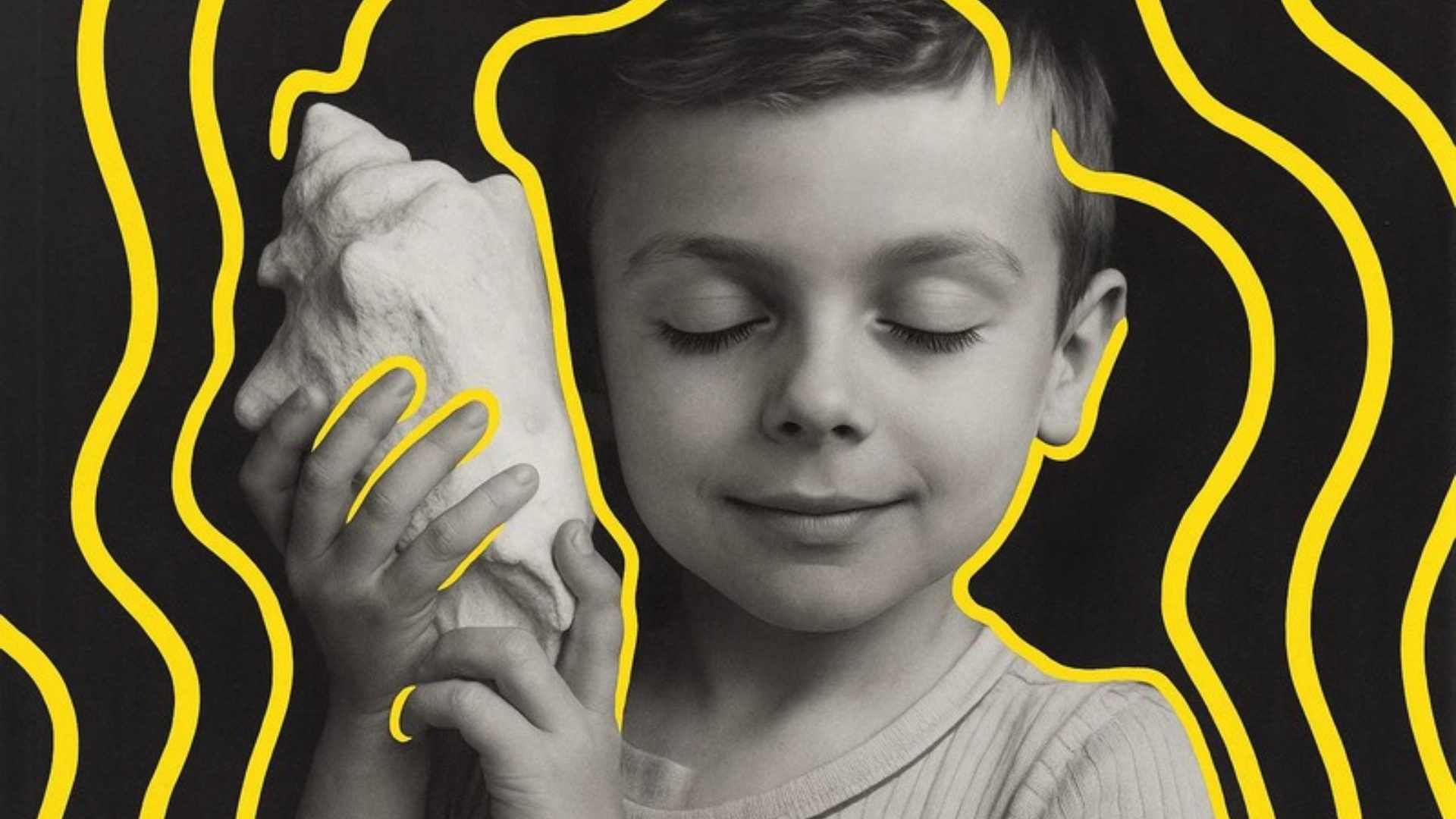
Children spend more than 100 minutes a day on TikTok. Only a fraction of them listen to podcasts, yet audio may be exactly what teaches their brains to focus again. Czech podcasts have taken up a topic that has so far had little space: children’s listening. The series What Do Children Have to Listen To? shows that podcasts are not only for adults.
When it comes to podcasts, ceskepodcasty.cz is today the only open catalogue of podcasts in Czechia. After a recent rebrand, it connects creators, brands and listeners in one ecosystem. It tracks how formats, genres and listener habits change, and from the data it can spot trends before they reach the mainstream.
One of these trends deserves particular attention: children’s listening. A ten-part series, subtitled What Do Children Have to Listen To?, opens an area that has barely been addressed in Czech audio until now. It examines how podcasts affect children, their attention, creativity and the way they perceive the world. Behind the project stands Tereza Tiller, founder of České podcasty. One of the impulses behind it was also a public debate on the topic opened by Filip Molčan with his special Digital Drugs in Children’s Pockets.
Podcasts instead of flickering screens
“I wanted to show that podcasts are not only about entertainment and topics for adults. It is a medium that has something to offer children too,” says Tereza. The series What Do Children Have to Listen To? therefore features a selection of shows that help children develop imagination, concentration and empathy. It also offers an overview of research confirming that listening has a positive impact on children’s brains. According to a study by the National Literacy Trust (2024), nearly half of children aged 8 to 18 have at some point listened to a podcast or audiobook. But only a few of them listen regularly, or for as long as they spend on social media. That is where the difference lies. While TikTok lures children with quick stimuli and short rewards, audio teaches them to slow down, to imagine and to stay with a story. Four in ten children say it helps them understand stories better.
Neuroscientists add that the brain works differently when listening than when watching a screen. A child has to picture the setting, the characters and the situations for themselves, which activates the centres for language, imagination and attention. And when parents listen together with their children, research shows that their brain activity partly synchronises. This strengthens not only understanding, but also the bond between them.
TikTok brain vs. audio brain
The series also looks at what happens to children’s attention in the age of short videos. One of the topics it covers carries a name that deserves its own warning sign: TikTok brain. The numbers speak clearly. In 2022, children aged 4 to 18 spent an average of 107 minutes a day on TikTok, and a year later it was 112 minutes.
Modern social networks are designed to keep stimulating the brain’s dopamine pathways and hold attention for as long as possible. But this very strategy teaches the brain to get used to quick stimuli and instant rewards. Gradually, it loses the ability to concentrate patiently.
Podcasts are the exact opposite. They do not set the pace or reward scrolling, but teach the brain to slow down, listen and stay with a story. According to research from Cincinnati Children’s Hospital , a child’s brain is even more active while listening than while watching animations. And researcher Naomi Hupert describes how children often draw the characters after listening, act out the plot, or “play at podcasts”, that is, they spontaneously create something new.
From science to practice
The whole series from České podcasty translates scientific findings into an accessible form. It is not only about data, but also about concrete inspiration for how to start listening with children. Listening together can also be a good alternative to evening scrolling at home.
The series offers tips for children’s shows that already exist: Adélka a hvězdy, Podcast pro děti, Zvídavec Evy Sinkovičové, Utržené sluchátko od Linky bezpečí, Pohádkovídání, Chytrouni v ponožkách or Táto, už to vím! This is just a small sample of what the Czech audio scene offers its youngest listeners. You can read the whole series here.
What Do Children Have to Listen To? shows that podcasts can do more than entertain. Podcasters open up topics that move society and give space to voices that would otherwise disappear in other media. That is the power of audio. It lies in the voices you hear, and in the ones it finally lets you hear.




Comments