
Algorithms change overnight. Reach drops without warning. Advertising keeps getting more expensive. And amid all this, the question of what can be relied on comes up more and more often. The answer comes consistently from many directions: community.
Until recently, community was seen as an add-on. Something that made sense when there was spare capacity. Maybe. That view is now history. Community has moved into the role of strategic infrastructure, without which sustainable brands, media outlets and creators cannot manage in the long run.
When customers become a community
The numbers speak fairly clearly. The global market for community platforms is set to grow from $736.9 million in 2025 to $2.3 billion by 2033. This is not hype but a response to market reality.
Customer acquisition has become a survival challenge in 2026. Changes in privacy, volatile algorithms and saturated content have pushed costs to record highs. Brands can no longer rely on pure advertising funnels. When those stop working, the business stops too. It is a treadmill that is hard to step off.
Community, by contrast, solves a problem that advertising cannot solve. Engagement continues even when the ad budget is switched off. It reduces churn. And it creates loyalty that cannot be bought.
Influence that cannot be seen in metrics
Up to 84% of content sharing happens through private channels: email, messaging and WhatsApp. Not through public feeds. Not through likes. Not through comments under a post.
The influence of communities is massive but invisible in conventional metrics. Recommendations happen in closed groups and private conversations, between people who trust one another. That is where the real impact takes place.
From a marketing tool to the core of the business
A key shift in recent years is that community is no longer just an engagement strategy. It is becoming a decision-making layer. In an environment where AI takes over part of the role of search, recommendation and customer support, community becomes the most reliable source of first-party data, context and feedback. It also works as a natural filter of trust, because people today trust people, not messages.
Community-led projects can reduce dependence on paid reach, respond more quickly to audience needs, create products together with users and build relationships that do not depend on price or current performance.
When theory meets practice
These very questions were addressed at an open event organised by ČTK Connect: 2026: The year community building becomes a strategy. Representatives of media, sport and the creator economy shared what had worked for them in practice and where they hit obstacles. The discussion confirmed that community is not an abstract concept but everyday work with people, emotions and expectations.
One of the main speakers was Jakub Mačát from SK Slavia Praha, who showed that working with a community is not tied only to results on the pitch. He was joined on stage by Aneta Martinek from Holky z Marketingu and Pavel Volčík from Respekt, who offered further perspectives, from building professional communities to the role of media in cultivating the public space.
The entire discussion was moderated by Denisa Hrubešová from Forendors, who has long followed the topic from the perspective of the sustainability of creative work and the relationship between authors and their audiences.
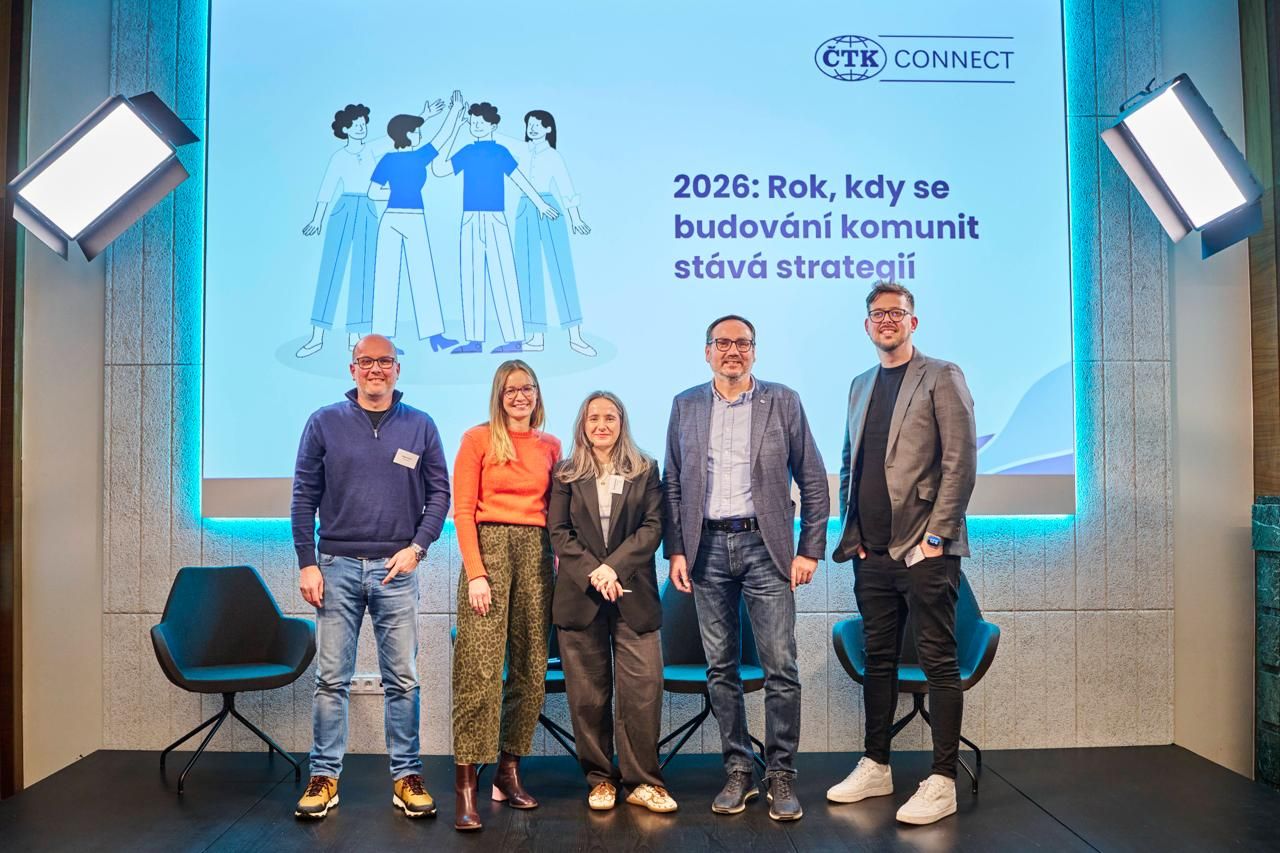
2026: The year community building becomes a strategy
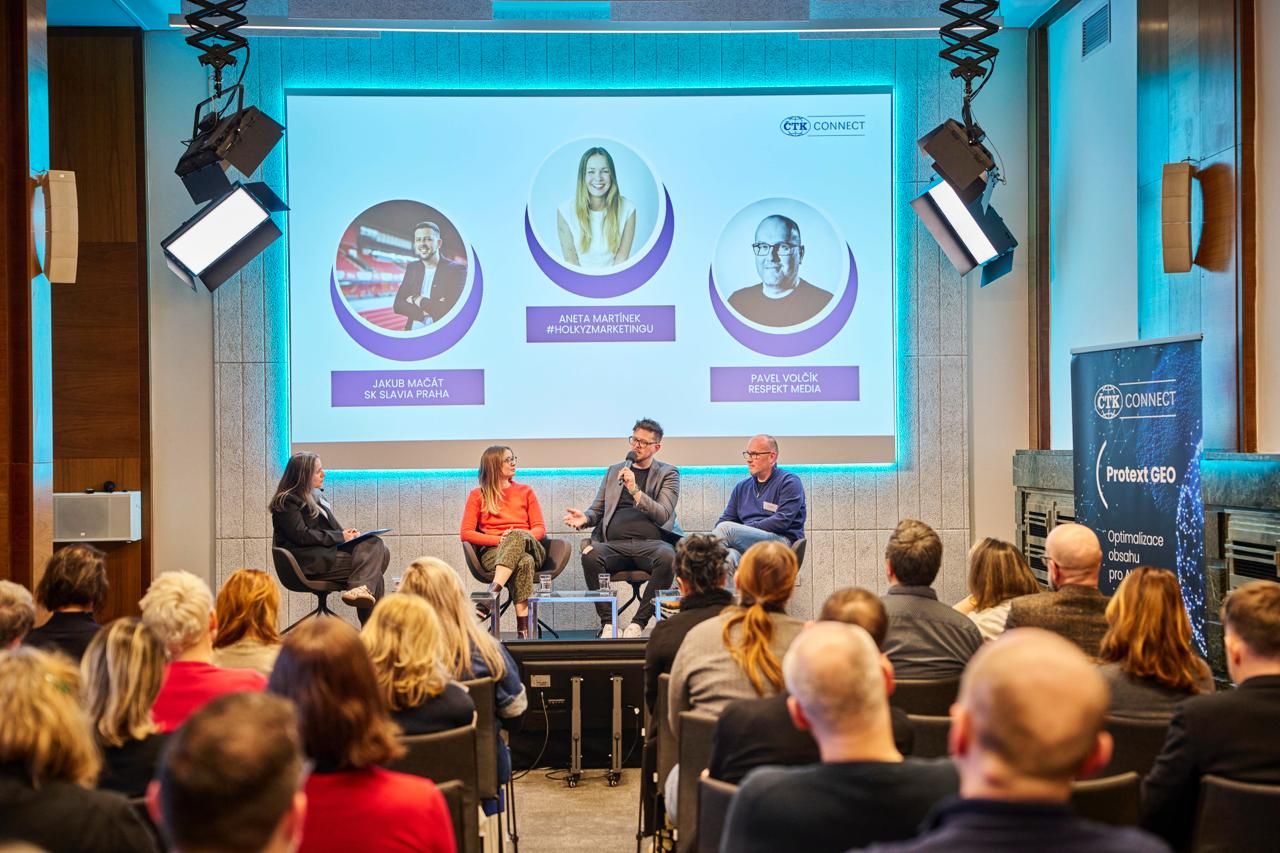
2026: The year community building becomes a strategy
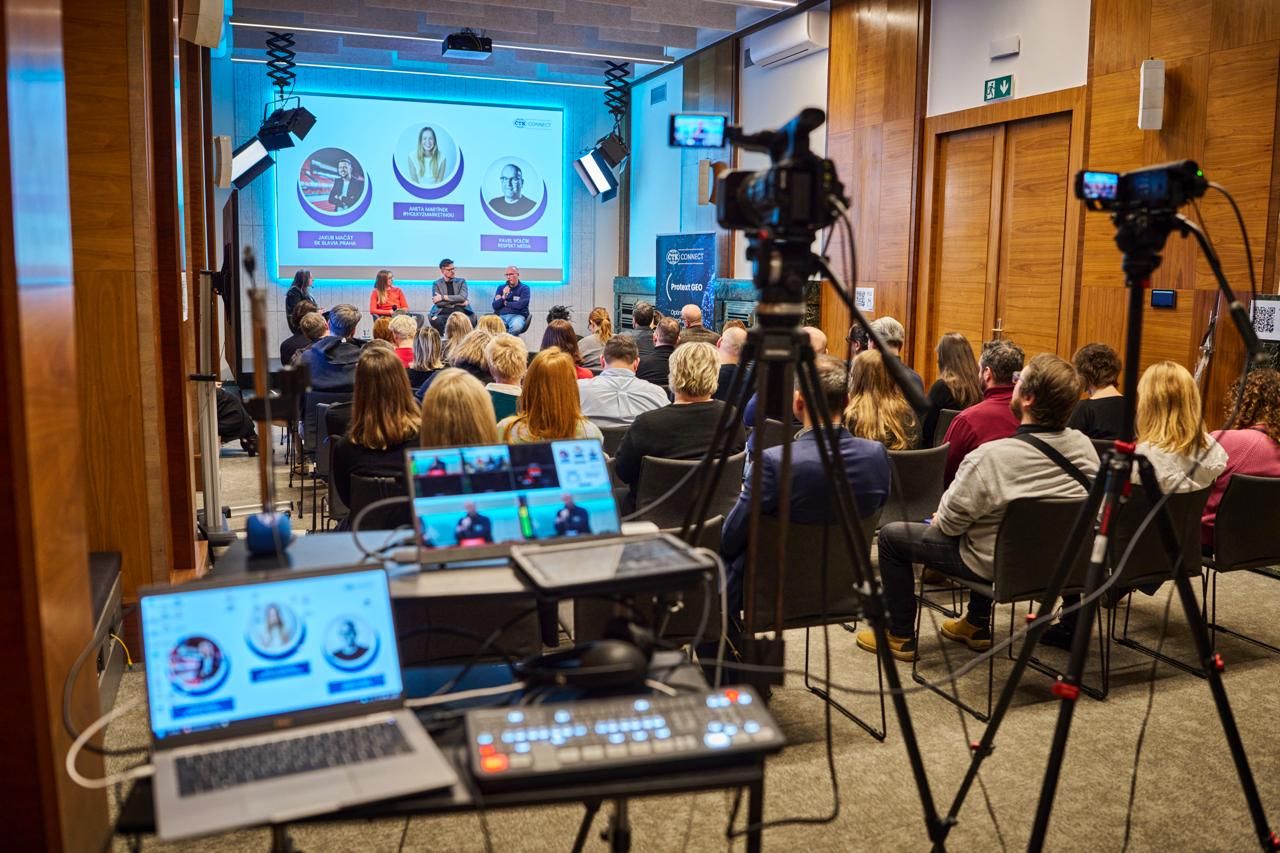
2026: The year community building becomes a strategy
What it means for the future
2026 belongs to communities. People want to belong somewhere. They look for authenticity, relationships and meaning. Brands, media outlets and creators who can offer these gain an advantage that cannot be bought with an advertising budget.




Comments