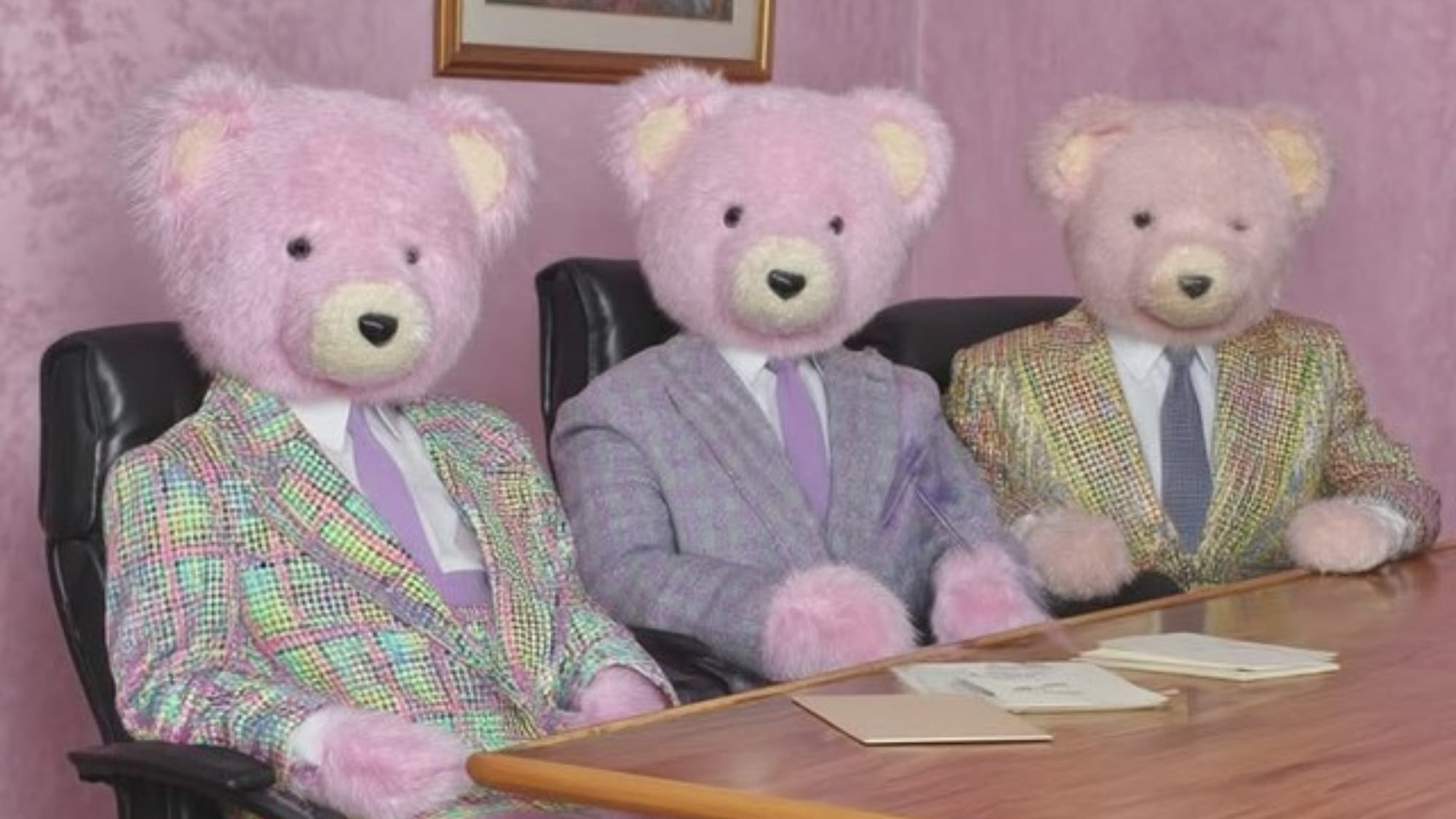
Production company StudioB, founded by creator Brandon Baum, made the series “Spot a Fake Fan” for Virgin Media O2. According to Digiday, it grew from 50,000 organic views to a million per episode and collected 43 million views across YouTube. The brand paid the bill. The output ran as a serialised television show.
This is the pattern that Digiday's report of 7 August describes across the market. Agencies that represent creators are shifting into the role of production studios, and brands pay for their shows as regular content.
Creator agencies are becoming studios
Kyle Hjelmeseth, founder of G&B Digital Management, launched &Beyond Creators' Studio, which develops 10 to 12 formats at once and works with ten creators from a list of 120. The operation is led by Cyndi Steele, a former executive producer of unscripted television with a decade in the industry. She describes the difference from one-off collaborations in terms of return. “It is something that feels always on and continues to talk to the audience for the year, because I think that when you have that consistency, you see a lot more return,” Steele told Digiday.
Colin McRae, an executive producer and founder working across film, brands and creators, put this shift into words. “Creator agencies are becoming studios. Brands are financing entertainment. Creators are building media companies,” he wrote on LinkedIn, following the Digiday report. McRae describes the change as a move from creator campaigns to creator programming. The question “What should we make this quarter?” becomes, in his words, “What will this audience come back for next week?”
Budgets go into programmes
The money is following this shift. Harley Block, CEO of IF7, a company focused on creators, described SharkNinja, which he calls a $20 billion company, as “investing an enormous amount of money into the space”. Here the brand pays for a series with production values close to television.
McRae adds a model in which the brand budget funds the idea itself. “Brand entertainment doesn't always have to be the finished product. Sometimes it can be the pilot,” he writes. A short format can grow into a series, a series into a film, a product or a live event. The risk runs the other way. Once the brand takes centre stage rather than the idea, the product bloats, approvals multiply and what the audience came for disappears. “Everyone in the boardroom may love it. The audience doesn't care,” McRae sums up.
Whalar moves under Accenture Song
The consolidation of this logic has already reached Europe. On 8 June, Accenture announced the acquisition of Whalar, a creator and social media agency, which will become part of Accenture Song. More than 170 people across the United States, the UK, Ireland, Germany and Spain are moving to Accenture. The trade press framed the deal as one of the largest transactions in the creator economy to date. Accenture has not disclosed the financial terms.
The purpose of the acquisition aims exactly at this logic. According to the press release, Accenture wants to help creators move from “one-off brand activations to becoming a more deeply integrated part of customer experiences”. For a European brand director, the nature of the purchase changes. Instead of ordering a quarterly campaign, they get a relationship with a studio that holds the format, the audience and the production together.
What AI will not make cheaper
The most expensive item becomes authorship. Gabe Feldman, co-founder and managing partner of The Now Agency, told Digiday that “execution to some degree has become commoditized, and the thinking and the creative behind campaigns has become much more valuable”. McRae puts it more sharply. “When execution becomes cheap, authorship becomes expensive,” he writes, pointing out that AI will make finding creators, reporting and version edits cheaper, but not the idea, the taste and the reason why something should exist.
Here the phrase “creators are building media companies” runs into operational reality. According to McRae, the creator merged the roles of talent, producer, studio and distributor into one person, and that was their advantage. Once demand for regular formats grows, that one person becomes a bottleneck. “At a certain scale, creators don't need better management. They need a company built around them,” McRae writes. The weight of the producer who connects the idea, the creator, the brand, the money, the production and the distribution therefore grows. Studios, agencies and brands thus meet in one place, where a creator is turned into a company.



Comments