
Sentences that sound clever, studies without context and “guaranteed facts” that nobody has ever properly checked. These are exactly where the myths we tend to believe automatically come from. The new podcast Psychologika looks at why this happens and what it says about how we think today.
How many times in the past week have you heard something that sounded convincing and automatically believed it? A quote, a study, one sentence that “makes sense”. This is exactly how myths are born. Not because they are true, but because they are easy to understand, easy to remember, and few people feel the need to question them.
The problem is not lies, but false certainty
The biggest risk of today's information age is not extremes or obvious nonsense. The problem is false certainty. We are surrounded by half-truths that pass themselves off as science, and by statements that are repeated so often that we stop asking where they actually come from and why we believe them.
Psychological and historical myths share one common trait. They relieve us of doubt. And doubt is the foundation of critical thinking. Without it we accept shortcuts, because they are convenient and save energy. This is where Psychologika begins.
Doubt as the starting point of thinking
Psychologika is a new podcast from the magazine Moje Psychologie. It unpicks seemingly undisputed facts, popular myths and claims for which there is often no guarantee at all. The aim is not to catch anyone out or ridicule them, but to bring context and questions back into the public space.
Behind the microphone are stand-up comedian and screenwriter Adam Balažovič and Brigita Zemen. Their conversations combine humour, work with sources and an effort to get beneath the surface of things we tend to accept automatically. The podcast is conducted as a dialogue, not a lecture. It does not promise simple answers, nor does it try to give them.
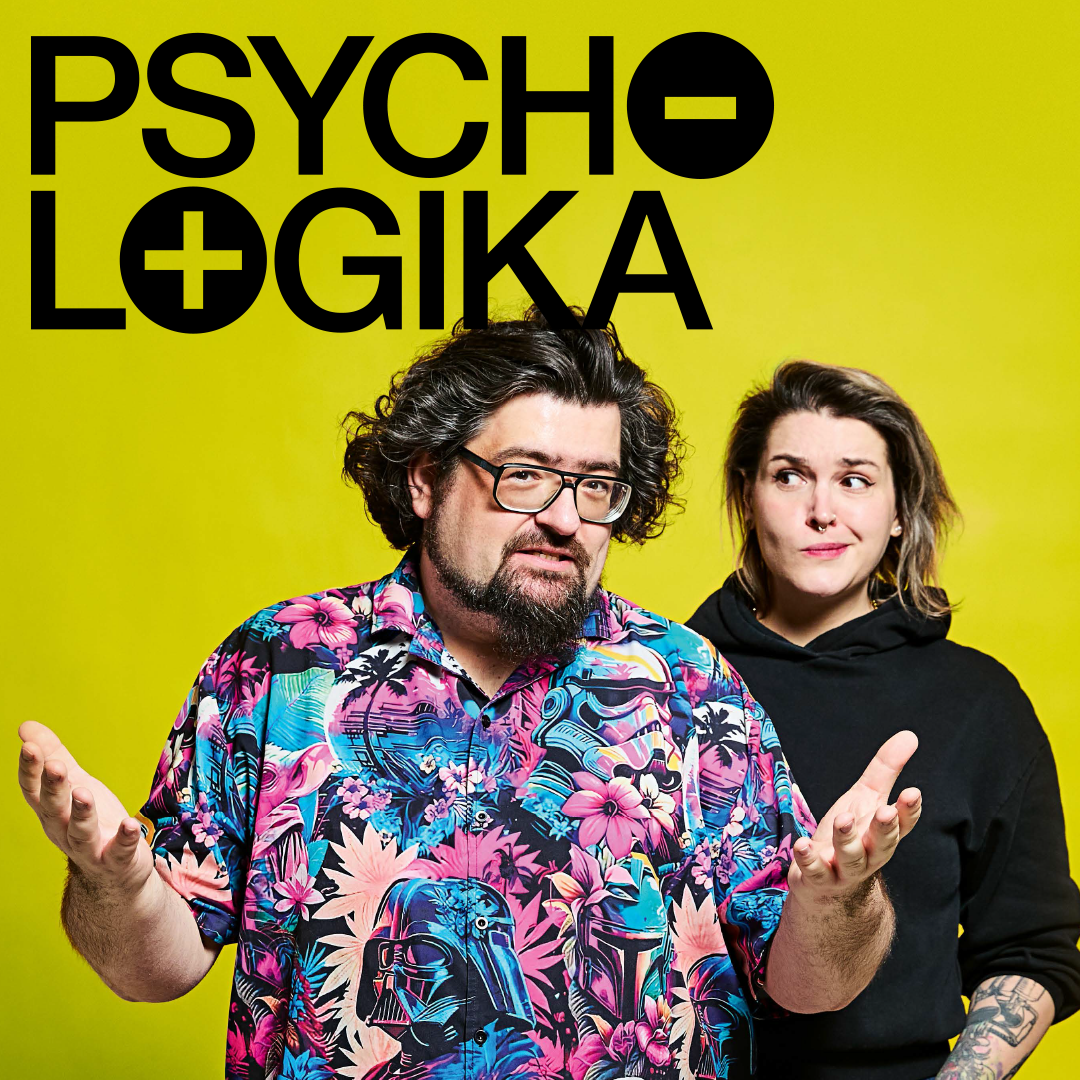
The hosts, Adam Balažovič and Brigita Zemen.
A response to a world that oversimplifies
Psychologika was not created as yet another educational format. It was born as a response to a world where clever-sounding things are said too easily and quickly become facts. Each episode therefore returns to studies without a solid foundation, to quotes that spread even though no one ever said them, and to claims that work mainly because they look good in headlines.
In a time when algorithms reward simplicity and certainty, Moje Psychologie, under the media house CZECH NEWS CENTER a.s., has long been opening up topics that resonate across society. Alongside the magazine, the regular podcast, last year's awareness campaign about inner dialogue and events, it naturally extends the space for conversations about how we think and what we believe. The first episode, about how millions are earned on the most depressing day of the year, which in fact does not exist, can be heard here.



Comments