Marketing
creatorshubStrategy, return on investment and new formats. Why companies invest in creators more than ever and what makes a brand resilient.

Air Bank and Kaufland sponsor padel, a sport they did not launch
Air Bank, Kaufland and CUPRA sponsor a sport they did not invent. Playtomic counts 19.4 million padel players, and Levi’s showed that someone else’s cultural moment can lift its shares by 20%. Borrowed relevance, however, only works up to a point.

Advertisers wrote off children’s audiences, but age checks could restore their value
Advertisers left children’s media because measurement is weak and regulation feels risky. Jo Redfern says that is a mistake. Generation Alpha influences over 40% of household spending, and age verification could make children’s audiences measurable and sellable again.

Brands don't understand Gen Z, and Gen Z wants them to build community
Fewer than a third of Gen Z think brands understand them. The strongest sense of community is built offline, where no brand is present. The Gen Z Pulse study also points to a way forward: half of young people want to build community with brands.

AI will advise you, but creators are the ones who persuade you to buy
A Croud survey of 2,000 Britons found 56% would let AI buy for them, and 74% of AI users search with it before choosing a brand. People verify recommendations on YouTube (41%) and Instagram or TikTok (35%). Automated AI checkout is so far US only.

Fake TikTok skits hide ads that are banned in Europe
Staged skits about bad bosses and toxic mothers-in-law collect millions of views on TikTok. In fact they are undisclosed ads for affiliate products. A US regulator and European rules both classify them as advertising that cannot be concealed.

Google funded a vertical series by podcaster Alex Cooper
Google Pixel co-financed a vertical series by podcaster Alex Cooper’s company Unwell. TikTok and Sundance are teaching creators to write micro-series, and Mipcom has added vertical content to its main programme. Entertainment is now developed in public before studios arrive.
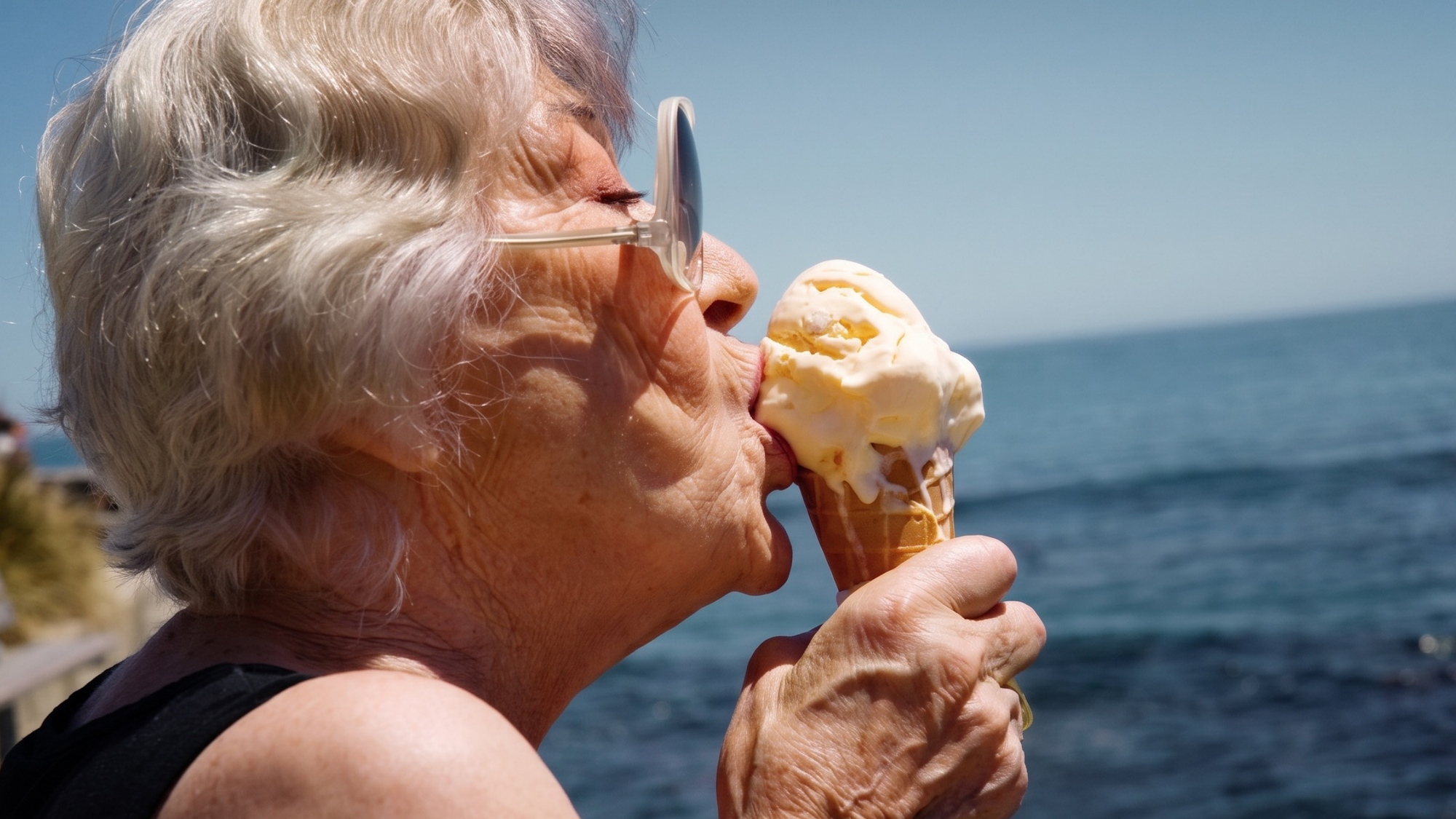
Gap pays employees commission for posts about its brands
Gap Inc. has opened its creator programme to employees in offices, stores and distribution centres. Its external version drew nearly 30,000 posts reaching 154 million people in under a year. Starbucks and Ulta Beauty run similar schemes.

Only 6% of creator content both engages and builds the brand. Reach is no longer enough
A brand consultant called reach and engagement vanity metrics, and Kantar’s data supports her. Only 6% of 15,000 creator pieces both engage audiences and build the brand, while 87% of brands expect influencer budgets to grow. The EU AI Act tightens origin rules from 2 August.
Google connected Colin & Samir with Lexus through their podcast
The Colin & Samir Start Over series for Lexus began when a Google employee heard their podcast and knew Lexus was looking for creators. The creators supplied the concept and kept control. The value lay in matching supply with demand, and the budget stays on the platform.

A year after Unilever, creator marketing’s ambition outpaces measurement
Fernando Fernández promised last March that half of Unilever’s digital budget would go to social, with twenty times more creators. A year on, Unilever has published no accounts, and brands lack the data to prove results. The ambition has outrun measurement.

Over 80% of ads never cross the memory threshold. Radio still pays
An ad needs about 2.5 seconds of attention to leave a memory trace, and over 80% of online ads never reach that threshold. Radio and print hold attention measurably longer and are stored better. The finite medium still pays off.

Promo codes keep converting months after a creator collab ends
Marketer Brandon Smithwrick found that promo codes from a creator collab kept converting for months after it ended. Discount codes lead influencer measurement at 45.9%, but they miss most of the tail.