On 16 July, YouTube spelled out what exactly counts as inauthentic content that may not earn in the YouTube Partner Programme. Matt Halprin, head of Trust & Safety, explained the whole step by the nature of the tool itself.
“AI can actually allow people to make a lot of videos. Sometimes those videos are great, and it really enhances creativity,” he said, according to TechCrunch. “But that exact same new tool can allow you to make lots of videos really quickly that are very similar.”
The rules are not changing. The inauthentic content policy has applied since last July, and mass-produced and repetitive videos could not be monetised even before. What is new is the language. YouTube listed what falls under inauthentic content, so creators can see why a channel was flagged, and part of the guesswork about what will still pass has gone.
What counts as inauthentic content
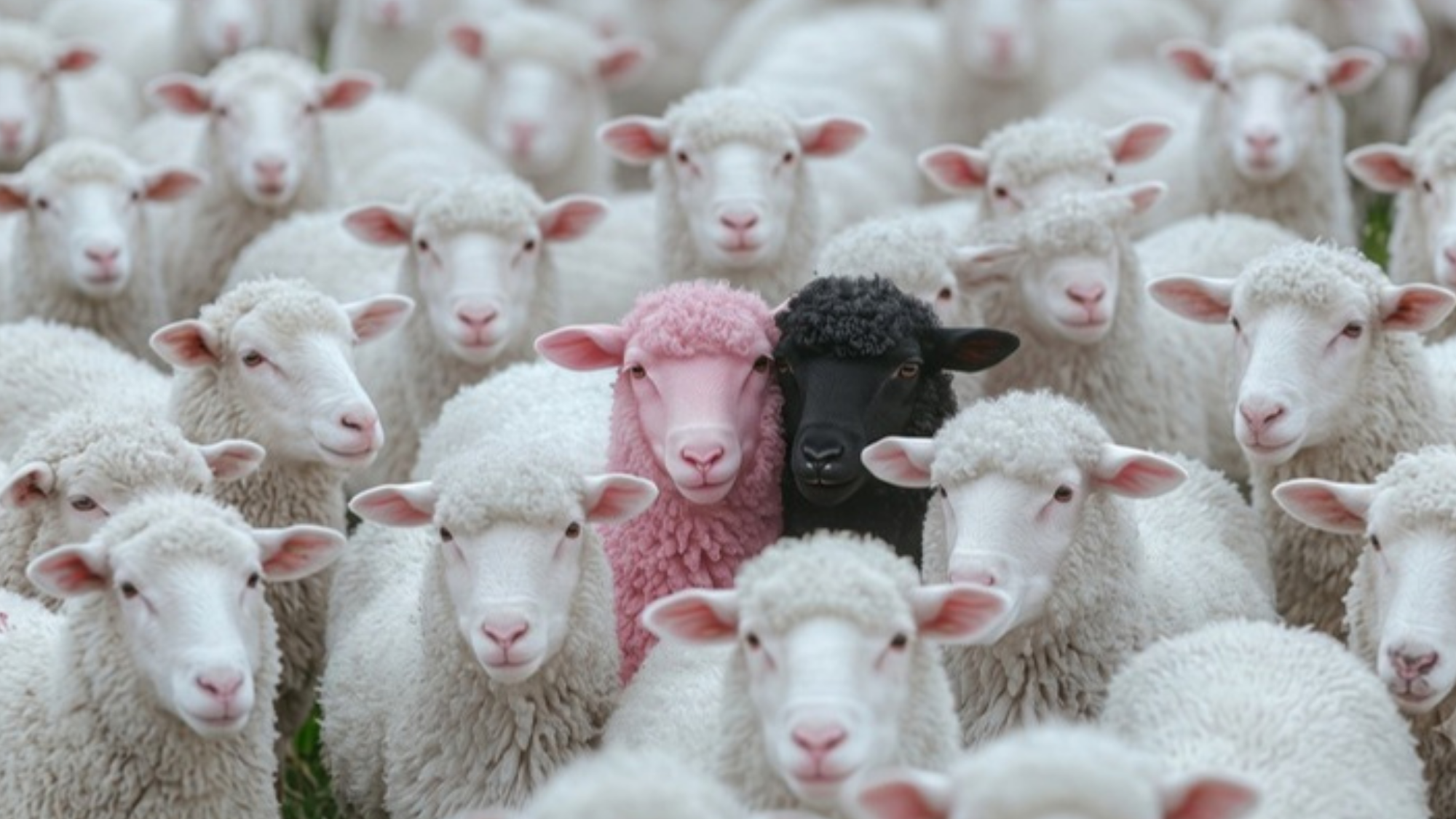
The broadest category is templated production. According to the policy wording, it covers “content that looks like it’s made with a template, or that may feel repetitive to viewers”, meaning videos with minimal variation that can be replicated at scale. This is precisely where the term “AI slop”, which has caught on for this layer, points.
Emotionally manipulative formats stand apart: “content that relies heavily on emotionally manipulative formulas”. Halprin places in this category a clip of an animal in distress that someone then comes to rescue, made to provoke a reaction in the viewer. “We’ve heard from our viewers that that’s not something that they like. They find it off-putting,” he said, according to TechCrunch.
For the creator economy, the most sensitive layer is AI personas posing as humans. According to the policy wording, this includes “content that presents itself as a human expert providing advice to viewers on topics such as health, legal issues, finances, or politics”. A synthetic avatar that gives advice on medicines or money while posing as a real expert loses its right to payment.
A tool versus a production line
The core of the clarification is that YouTube does not penalise AI as such. The official policy does not ask which tool was used. Generative AI or any other technology does not by itself remove content from the programme, as long as it meets the originality standard. The line is crossed when the tool becomes a production line. The policy prohibits “AI-generated content made with generic or unoriginal templates giving the impression of mass production without adding the creator’s original, authentic insights or perspective”.
The rest of the rules confirms this. Content must be “your original creation” and must not be “mass-produced, generic, repetitive, or manipulative”. Reused material such as commentary, reactions or clips is assessed separately and is not prohibited as long as it adds its own layer. Payment remains tied to what the creator themselves adds to the video.
Meta and TikTok draw the same line
Competitors are dealing with the same issue. Meta published its own rules for original creation on Facebook on 13 March, following last year’s move by YouTube. It defines original content as “content filmed or produced directly by a creator or owner of a Profile or Page”.
Duplicate material and minor edits to other people’s posts will be “deprioritized in Feed and Reels”, and an account may end up as “non-recommendable and demonetized”. Meta stated that in 2025 it removed more than 20 million accounts impersonating major creators, and that reports of such impersonation fell by 33%.
TikTok went down the labelling route earlier. According to its own announcement from May 2024, it is “the first video sharing platform to put Content Credentials into practice”, and for more than two years it has required labelling of realistic AI content. The three largest video platforms are thus gradually setting the same originality threshold. AI used as an aid does not change the right to payment. The creator’s own contribution decides.
The European layer arrives in law
In Europe, regulation is addressing the same question. The transparency obligations of Article 50 of the EU AI Act apply from 2 August 2026. Providers of generative systems must ensure that “the outputs of the AI system are marked in a machine-readable format and detectable as artificially generated or manipulated”, and for deepfakes, the deployer “shall disclose that the content has been artificially generated or manipulated”. The concrete impact on video platforms will depend on interpretation and enforcement.
Enforcement differs, though. YouTube, Meta and TikTok rest on monetisation. Whoever fails the originality threshold loses money or reach. The EU builds on the obligation to label. For creators who treat AI as part of their workflow, the two logics meet at one point. What carries the value is what the human adds to the output.



Comments