Everyone has done it. Opened ChatGPT, typed a few sentences and asked it to “polish” them. It is faster, more eloquent and addictively convenient. But what if we lose more than the time we save? A new study from the MIT Media Lab shows that when we write with ChatGPT, our brain works differently. What if we are running up a new debt? Not a financial one. A cognitive one.
October is AI month. In Prague, everyone is talking about how to use it for themselves, at home or for business. But tools like ChatGPT are not just new text generators. They are new habits, and those habits change how we think, create and write.
What happens when we write with AI?
“Creators are reaching for technology on a large scale. 91% of them use AI, and among full-time creators it is as many as 96%.” Jiří Svoboda wrote this in one of our articles. But does AI help with writing? The MIT Media Lab team led by Nataliya Kosmyna and Pattie Maes set out to measure it. Quite literally, on the brain.
The MIT experiment The study, titled Your Brain on ChatGPT: Accumulation of Cognitive Debt when Using an AI Assistant for Essay Writing Task, was conducted among students from MIT, Wellesley College and MassArt.
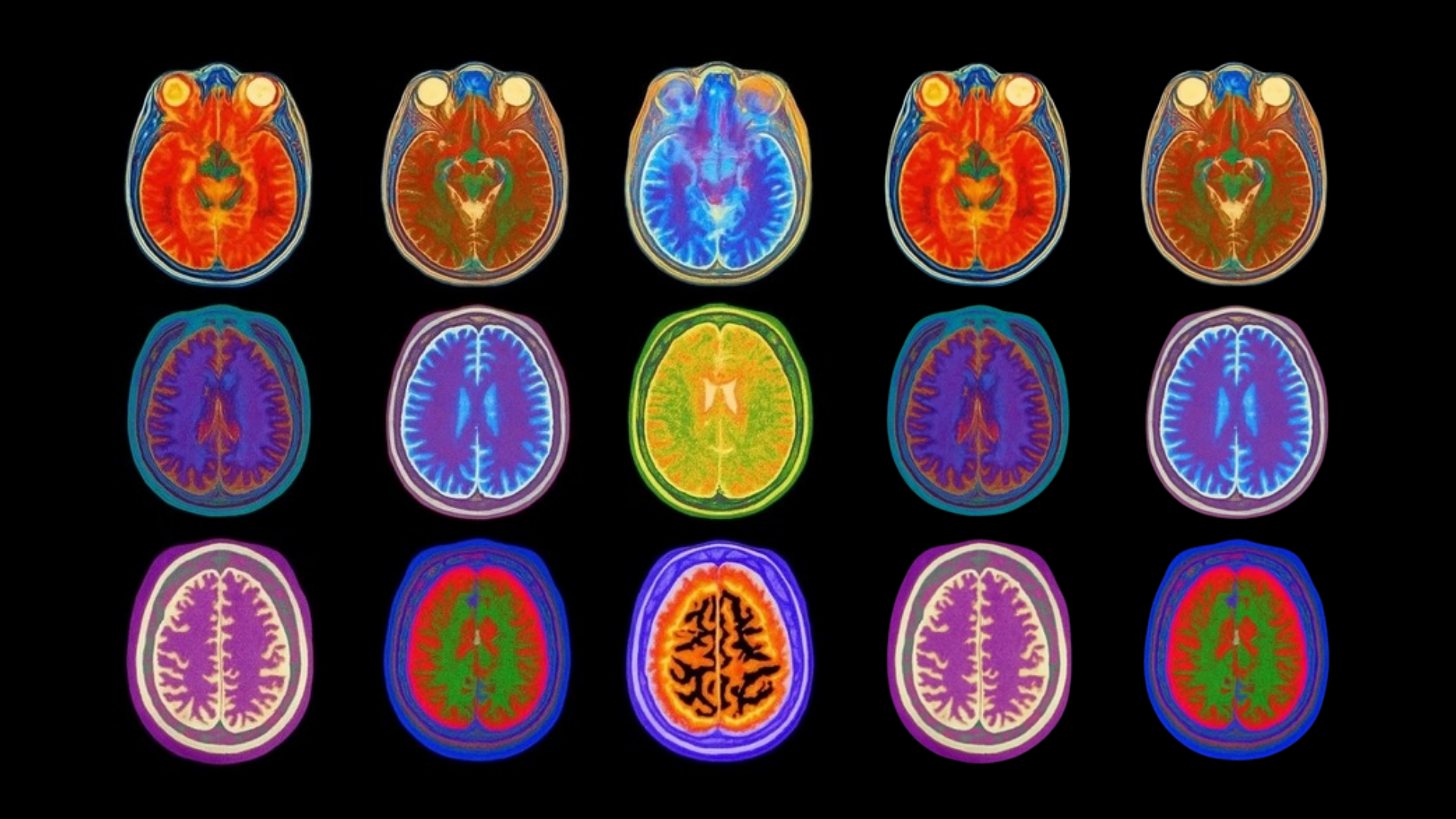
Everyone wrote the same essay, just under different conditions. One group wrote with ChatGPT, a second could use Google, and a third wrote the text completely unaided. While writing, they wore EEG sensors on their heads that measured brain activity and connectivity, that is, how different areas of the brain communicate with each other. Then the groups swapped. Those who had written with AI wrote without it, and vice versa. The authors add that the aim was to understand how different ways of creating a text affect mental load, attention and ownership of the text.
Brain on autopilot
The research suggests that the group writing with ChatGPT showed lower brain connectivity and weaker activity than those who wrote unaided. The group using Google landed somewhere in between.
When participants who had originally written with AI began writing without it, their brain activity remained subdued. The authors describe it as if the brain had stayed “on autopilot”. At the same time, participants were worse at quoting their own texts and had a weaker sense that “this is my text”.
Interestingly, according to ratings from independent teachers and an AI model, their texts were in some respects less original and less coherent than texts written without AI. The authors point out that this is a preprint, that is, a work not yet peer-reviewed, so the results should be treated with caution.
If you don’t use it, you lose it
Writing with AI is, in the end, like riding an escalator. From the outside it looks as if we are moving, but the body, in this case the brain, is not working. We may be churning out more content, but most likely we are building up a debt in how we train our thinking.
ChatGPT and similar tools help us speed up output, but they may well dull our sense of language, rhythm and voice. The study suggests that if we write with AI often, our brain can switch into a lazier mode. But thinking, like muscles, needs a load. Perhaps it is time to stop using AI to think for us, and to start using it to think with us.




Comments