Content monetisation
creatorshubThe models creators live on. Advertising, subscriptions, paid partnerships, own products and where platform subsidies end.
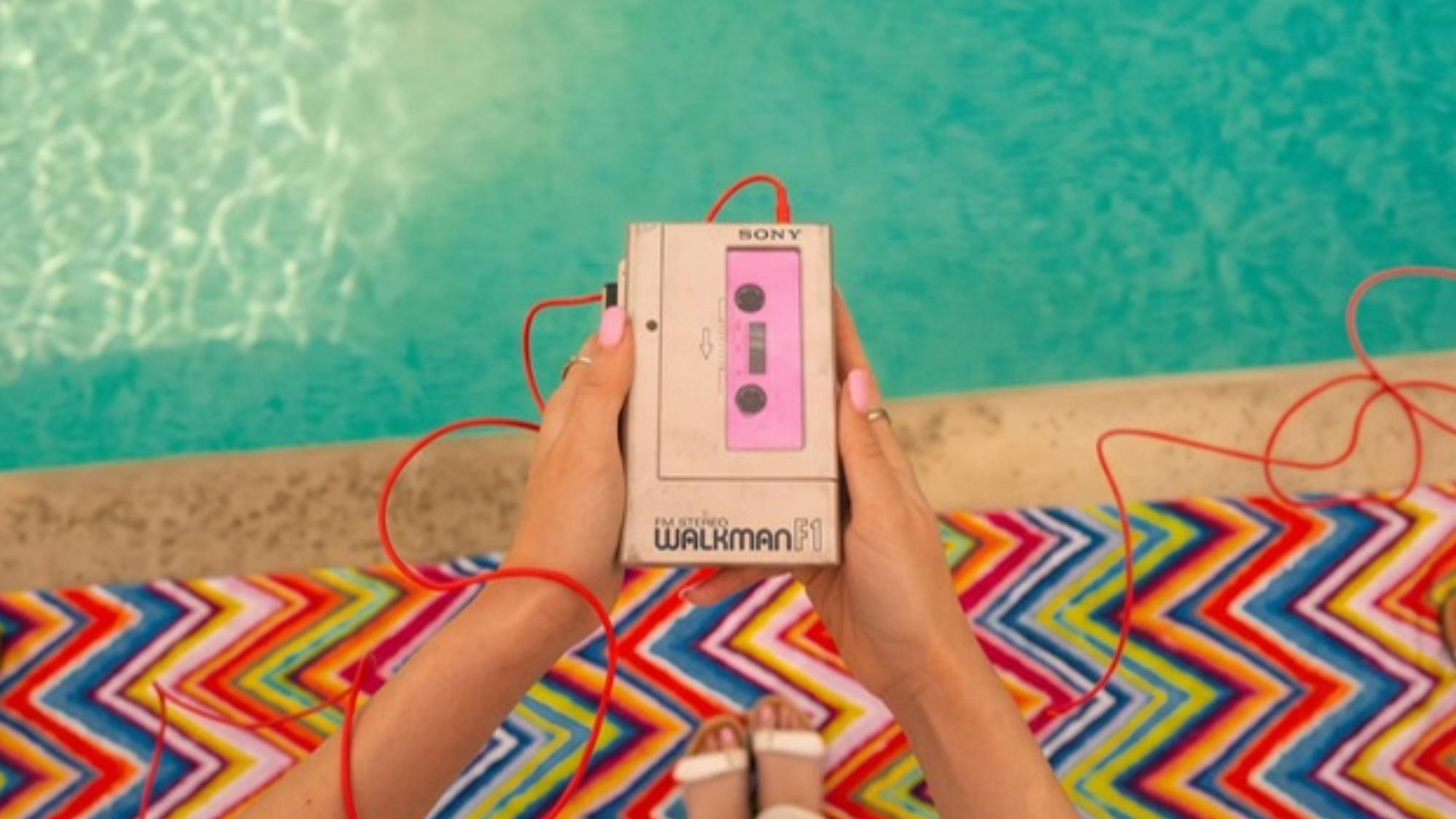
CDs outgrow vinyl for the first time in a decade as they become merch
US CD sales rose 16% in the first half, far faster than vinyl. K-pop, led by BTS, tops the chart, and half of young buyers do not own a CD player. The CD has become a cheap collectible, and that is a lesson for creators too.
YouTube clarifies its AI slop rules. What the creator adds decides payment
On 16 July YouTube spelled out what counts as inauthentic content. Templated videos, emotionally manipulative formats and AI personas posing as experts will lose Partner Programme earnings. The EU AI Act adds mandatory labelling from 2 August 2026.

Substack opens newsletters to brands, and authors choose the partners
Substack has opened newsletters to brands such as Uber, T-Mobile and Balenciaga. In its native sponsorships programme, however, the author decides on each partnership, not the platform’s algorithm.
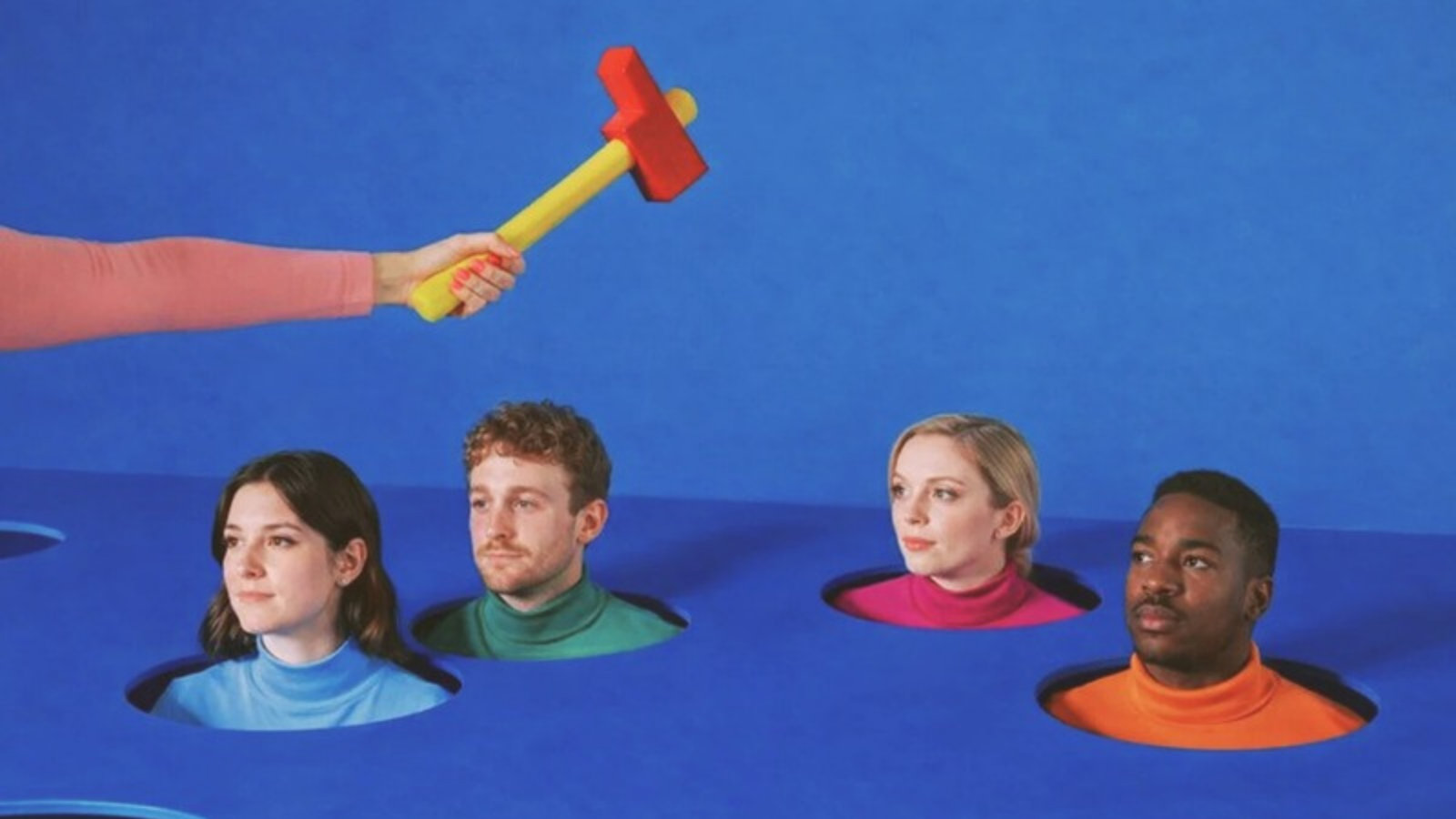
Meta launches paid tiers for creators, outside Europe for now
Meta has bundled its paid subscriptions across its platforms under the Meta One brand. Creators and businesses get two tiers at $14.99 and $49.99 a month, which sell reach that used to come with every account. Testing excludes the EU and US.

Spotify turns 20 and launches Lifetime Wrapped: a loyalty product, squared
On 12 May, Spotify launched Party of the Year(s) in 144 markets, showing users 20 years of listening. What does it mean for retention, and for the $11 billion paid out to the music industry?

The ad-free TikTok era begins, though not entirely
TikTok launched Ad-Free in the UK at £3.99 a month. Platform ads disappear, while sponsored creator content stays visible to subscribers. With one line in its pricing, TikTok has split advertising from creator content for the first time.

A hundred people, four studios, one voice: how The Diary of a CEO became a $425 million media company
Steven Bartlett built a company of around a hundred people, four studios, its own fund and an internal AI competition around his voice. Steven.com is valued at $425 million, and FlightStory is now building the same machine around other hosts.
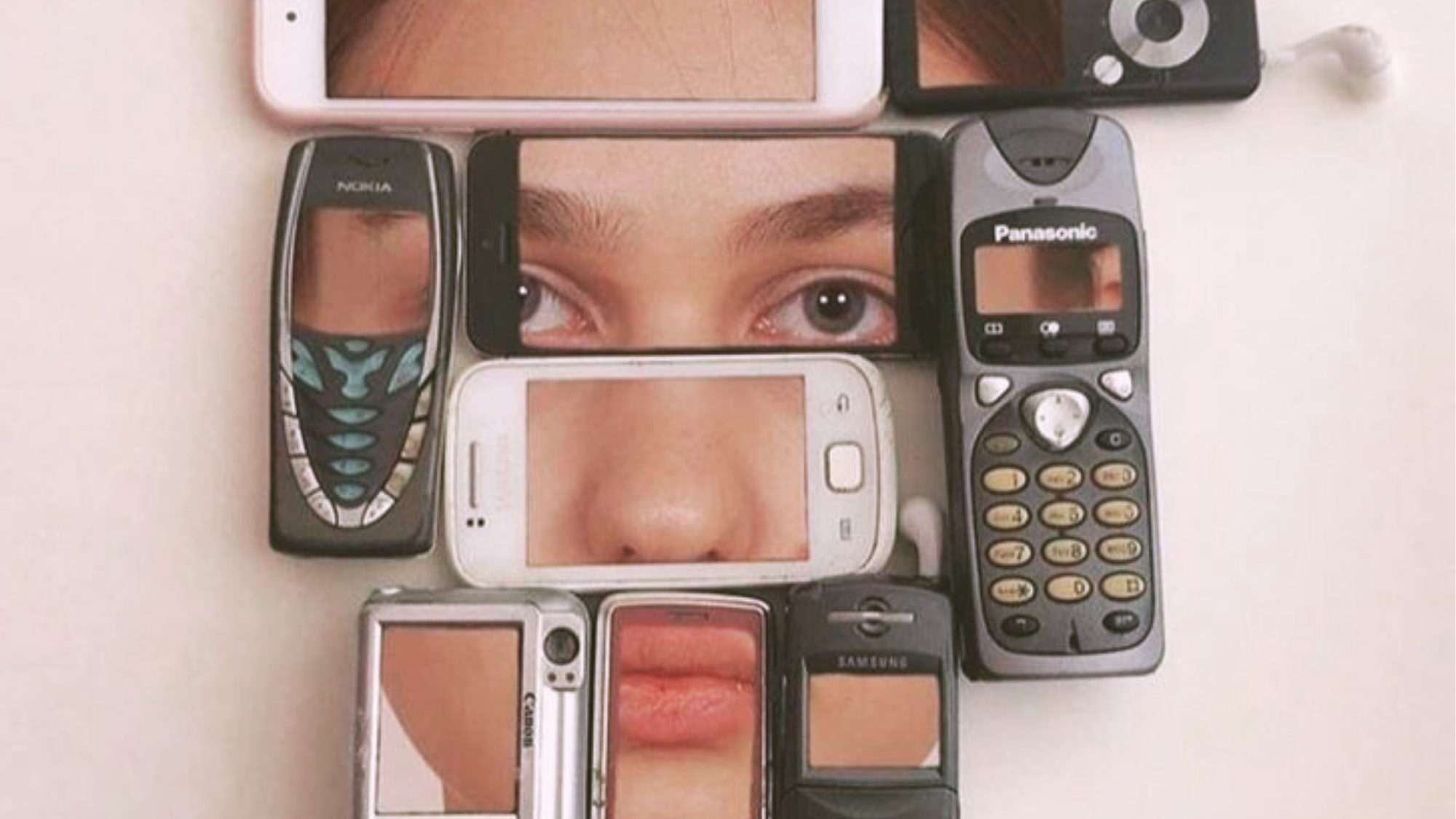
Creators as studios: YouTube teaches brands to invest in shows before they exist
At Brandcast 2026, YouTube sells partnerships with creators rather than ad spots. Its Creator Partnerships tool uses Gemini to match brands and channels, brands invest before a show premieres, and the rights stay with the creator.
AI helps creators make money from their audience
The creator economy long ran on a simple principle: win attention and the money follows. Attention alone is no longer enough. Data, performance and pricing strategy matter more, and this is where AI starts to help creators.
FlightStory saves millions of dollars with AI
Steven Bartlett built Diary of a CEO into the second-largest podcast on Spotify, behind Joe Rogan. His company, FlightStory, now earns about $47 million a year and is rebuilding its processes with AI, switching it off where it does not work.

$117 million for attention
AI slop is often blamed for spoiling the internet, but it is more a symptom than a cause. Algorithms reward quick reactions, volume and seconds of attention, and cheap content fills that gap.